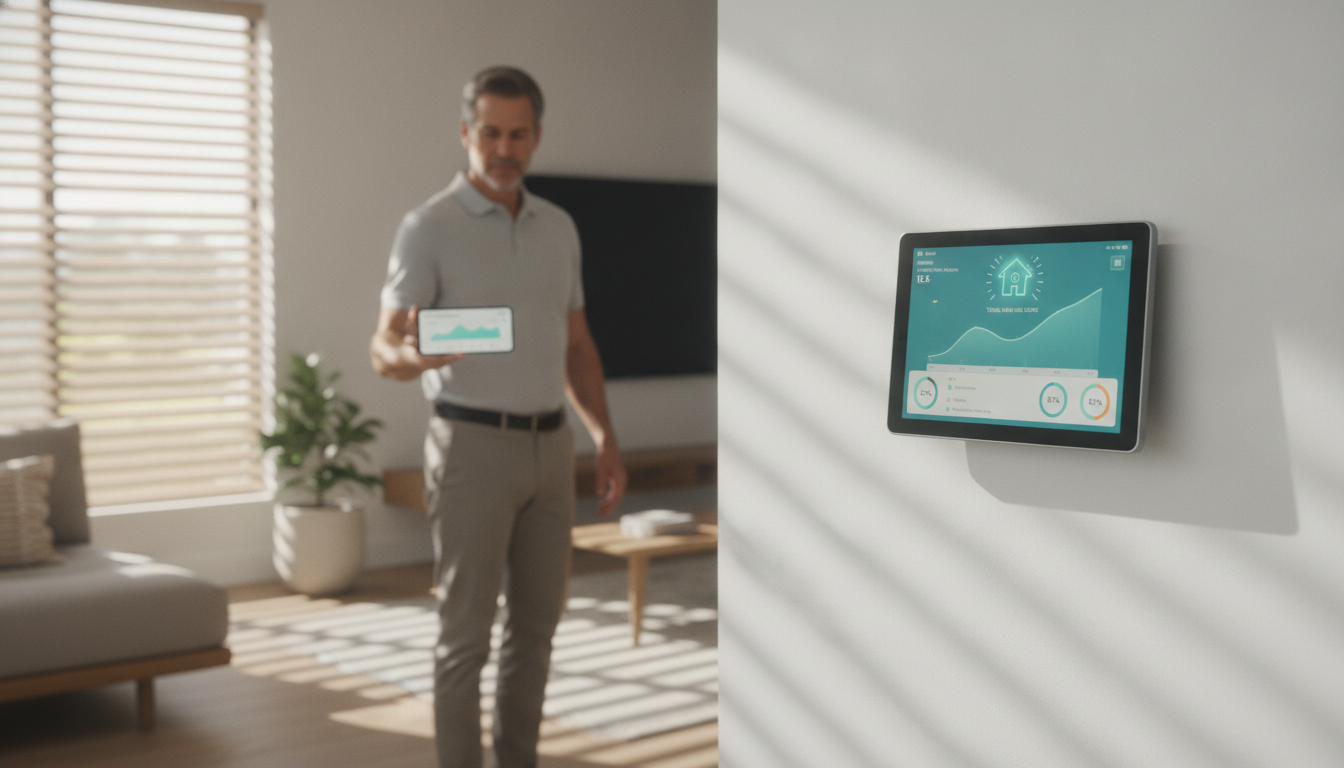
Are you tired of receiving an electricity bill that feels like a mystery novel, leaving you guessing about where all your hard-earned money went? For Texas homeowners and renters, understanding your energy usage doesn’t have to be a complex puzzle. Thanks to advanced digital smart meter infrastructure, you have unprecedented access to detailed consumption data, offering a clear, honest look at how your property truly pulls power from the grid. It’s time to peel back the layers and discover how to check Texas smart meter data to gain real control.
The Power of Precision: Understanding Your Texas Smart Meter’s 15-Minute Pulse
Beyond the Monthly Bill: Raw Data at Your Fingertips
Gone are the days when your electricity usage was measured by a spinning dial and only reported once a month. Modern digital smart meters in Texas record your home’s power consumption in tight, precise 15-minute intervals. This granular data, far more detailed than anything traditional meters could provide, is a game-changer for anyone looking to optimize their energy footprint. In the deregulated ERCOT marketplace, this level of transparency is a cornerstone of true Electric Choice.
The key to accessing this treasure trove of information lies with the state-supported platform, Smart Meter Texas. Once you know your ESI-ID (Electric Service Identifier), a unique 17-digit number found on your electricity bill, you can register on the Smart Meter Texas website. This platform acts as your personal energy dashboard, allowing you to view your consumption patterns, often with a delay of just a few hours. It’s your direct link to understanding the heartbeat of your home’s energy demands.
Spotting the Hidden Drains: Leveraging Interval Data
So, you’ve got your 15-minute data – now what? This is where the real power of observation comes in. By analyzing these detailed readings, you can begin to spot hidden appliance strains or overnight baseline waste that traditional monthly bills would never reveal. For instance, notice a significant jump in usage every evening between 6 PM and 8 PM? That might correlate with dinner preparation, laundry cycles, or a surge in air conditioning during peak Texas heat.
Even more revealing is your overnight baseline. If your usage never truly drops to zero, even when all major appliances are off and you’re asleep, you might have