For many Texans, the monthly electricity bill can feel like a labyrinth of charges and unfamiliar names. You know you pay for the power you use, but what about those other line items? Who’s responsible for the wires outside your home, and why do you sometimes see charges from a company you didn’t even choose? This guide will cut through the confusion, especially for homeowners, renters, and new residents in regions served by key utility operators like Oncor. Understanding the crucial difference between your retail energy provider and your local utility delivery company is key to mastering your energy costs and truly embracing the freedom of Texas’s deregulated market.
Decoding Texas Electricity: Your Retail Provider vs. Your Utility
The Texas power grid, managed by ERCOT (Electric Reliability Council of Texas), operates on a unique model that separates the ‘who sells’ from the ‘who delivers.’ This distinction is fundamental to understanding your electricity bill components.
Your Retail Energy Provider: The Billing Relationship
Your retail energy provider, like Prepaid Electric Service, is the company you choose to buy your electricity from. They manage your account, set your energy rates (the per-kilowatt-hour cost of the electricity itself), and handle your billing. They are your direct financial partner in the energy market, offering various plans and services designed to fit your lifestyle and budget.
With Prepaid Electric Service, you gain unparalleled control over your account. We offer a fast and affordable way to get your electricity turned on in Texas, backed by 20 years of experience serving the Lone Star State. Our commitment is to keeping the lights on for hardworking Texans, even when unexpected health or job issues impact traditional credit metrics. We provide total accessibility via zero credit screening and zero upfront deposit requirements, with just a low $40 Electricity Connection Balance to start service. Power is fully turned on via Same Day Service in 1 to 3 hours.
Your Utility Delivery Company: The Physical Grid Manager (e.g., Oncor)
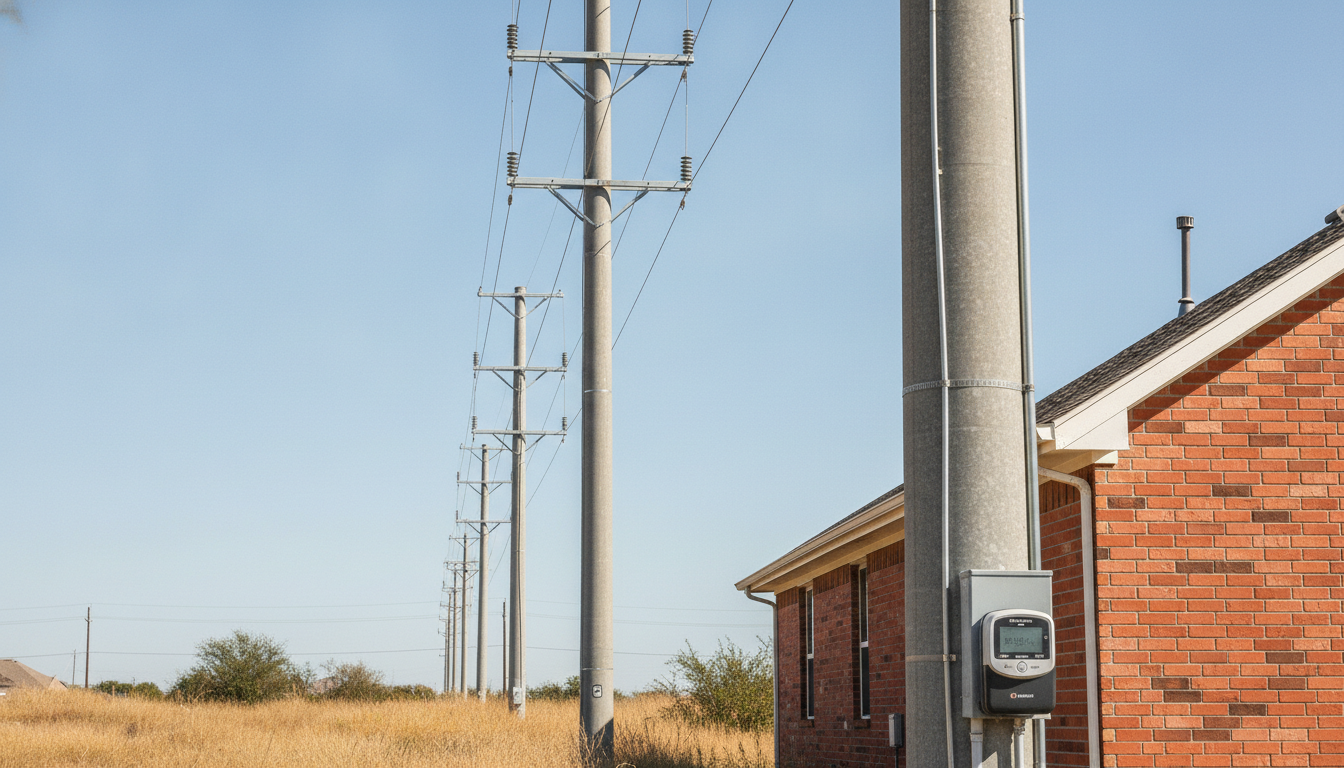
Completely separate from your retail provider is your utility delivery company, also known as a Transmission and Distribution Service Provider (TDSP). In North Texas, for example, this critical role is filled by Oncor Electric Delivery. These companies own, operate, and maintain the physical infrastructure that brings electricity from the power plants to your home – the poles, wires, transformers, and meters. They are responsible for:
- Responding to power outages and restoring service.
- Performing routine maintenance and upgrades on the grid.
- Ensuring the safe and reliable transmission and distribution of electricity.
- Reading your meter and providing usage data to your retail provider.
Unlike retail providers, utility delivery companies like Oncor are state-regulated monopolies within their service territories. You cannot choose your utility delivery company; it’s assigned based on your geographic location. This means whether you’re on a traditional postpaid contract or a flexible prepaid plan, your physical electricity delivery comes from the same regional utility.
Oncor Utility Delivery Fees Explained: Understanding the Mandatory Charges
Since Oncor (or CenterPoint in the Houston footprint) is responsible for the massive undertaking of maintaining the physical grid, they levy charges to cover these operational costs. These are known as utility delivery fees, or TDSP charges, and they are not set by your retail energy provider. Instead, they are approved and regulated by the Public Utility Commission of Texas (PUCT).
When you see these charges on your bill, whether it’s a fixed monthly customer metering fee or a variable per-kilowatt-hour distribution and transmission cost, understand that they are mandatory pass-through charges. Your retail provider simply collects these fees on behalf of the utility and passes them directly through. This means that whether you utilize a traditional postpaid contract or a flexible prepaid plan, the exact same regional delivery fees apply. For prepaid customers, these charges are factored into your daily account math, alongside your per-kilowatt-hour energy charges, impacting your daily volumetric account draw.
Texas’s soaring population, extreme climate demands (requiring significant consumption adjustments during intense seasonal shifts), and regional grid hardening initiatives mean that local delivery utilities like Oncor must periodically update their state tariffs. These adjustments reflect the ongoing investment required to maintain a resilient and expanding grid, and they are uniformly applied across their service area.
Your Power, Your Choice: Navigating Texas’ Deregulated Market
The beauty of